Documentary Knowledge Centre
Arts, Work & Culture
Textiles, Dyes and the Making of Colour in India
Cotton, silk, indigo, madder, resist dyeing, printing, weaving and embroidery help explain why colour is so visible in Indian clothing, craft and public life.
A textile history measured in millennia
Textile production has been central to the subcontinent for thousands of years. India became globally renowned for cotton and silk fabrics, and regional communities developed distinctive combinations of fibre, dye, weave, print and embroidery. Cloth could be practical, courtly, devotional, ceremonial, commercial or all of these at once.
Natural dyes and technical skill
Historic Indian dyeing used plant and mineral sources capable of producing strong blues, reds, yellows, blacks, greens and purples. Indigo was especially important for blue; red dyes could be made from madder and related plants; yellow could come from materials including turmeric. Creating durable colour on cotton often required mordants, resist processes or repeated dye baths.
Pattern creates additional intensity
Colour becomes more visually active when it is organised into stripes, checks, floral designs, geometric patterns or contrasting borders. Block printing, resist dyeing, clamp-resist techniques, tie-dye traditions, painted cloth and ikat-style processes all demonstrate that colour in Indian textiles has often been structured through sophisticated making rather than applied as a simple surface tint.
Regional specialisation matters
The V&A notes regional specialities such as fine cottons in Bengal, golden silks in Assam and strong red dye traditions in south-east India. Western Indian centres including Gujarat became important producers of vividly dyed and printed cottons traded far beyond the subcontinent. These examples show why “Indian textiles” should always be understood as a family of regional traditions rather than one style.
Textiles connect body, belief and economy
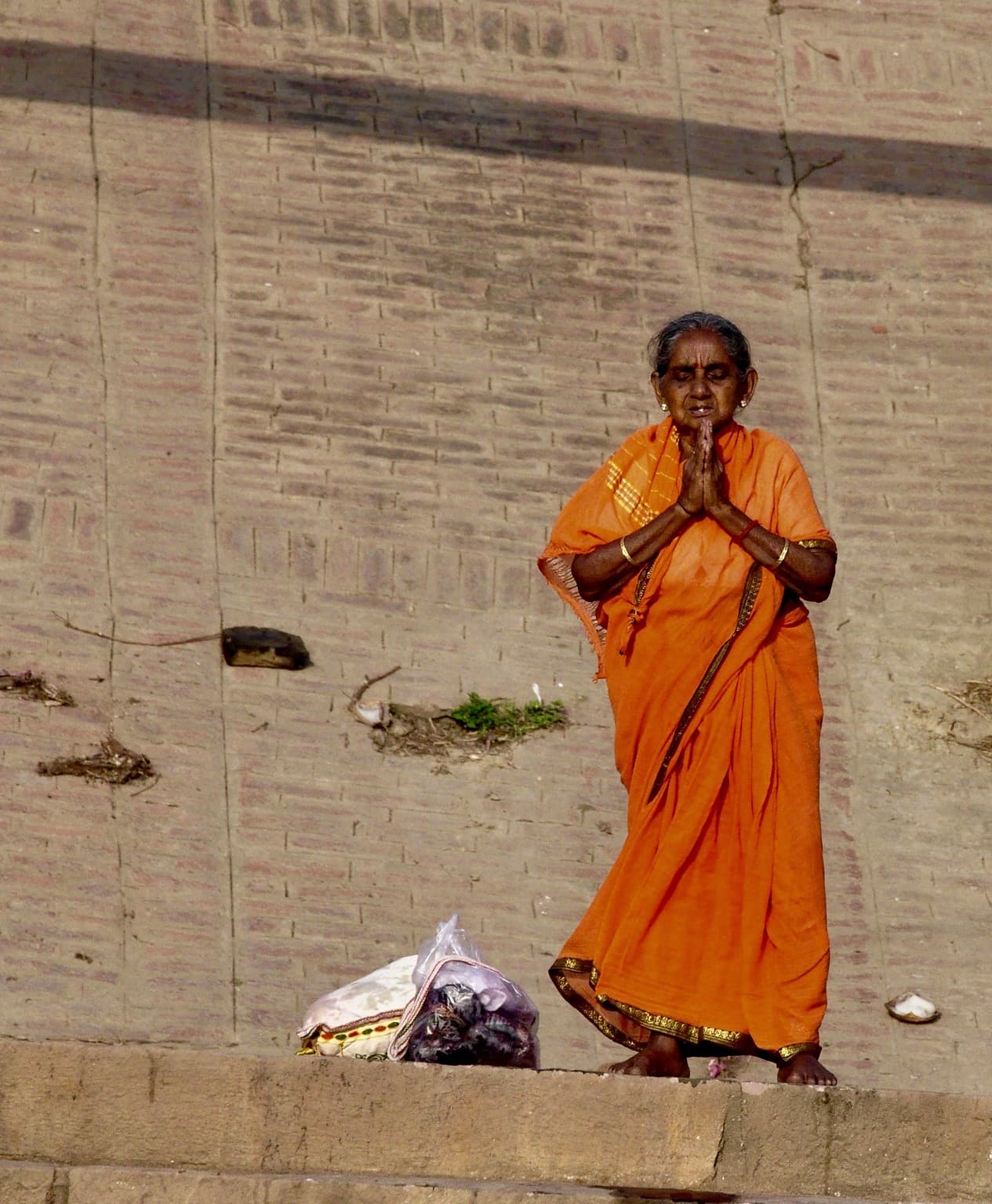
Clothing makes colour mobile through the city. Sacred cloths, temple hangings and ritual garments connect textile colour to religious practice, while markets and workshops connect it to labour and trade. For a documentary photographer, a garment can therefore carry visual, economic, regional and sometimes devotional information at the same time.
Sources & further reading · 4
These sources support the historical and cultural context of this article. They are provided so interested readers, students and researchers can continue beyond the introductory text.
- Indian textiles — Victoria and Albert Museum
Overview of Indian textile history, fibres, dyes, regional specialities, trade and sacred uses of cloth. - Indian Textiles: Trade and Production — The Metropolitan Museum of Art
Context for fibres, natural dyes, mordants, trade and textile production across the subcontinent. - Dye-Patterned Silk, India, 17th century — The Metropolitan Museum of Art
Museum example of sophisticated multi-colour resist dyeing in Indian silk. - Textile Fragment, Western India — The Metropolitan Museum of Art
Example of medieval Gujarat textile production, block printing and vivid organic red dye.
Related documentary material
Return to experience
Explore the Knowledge Centre →Read documentary stories →Continue discovering →