Everyday Lives Documentary Archives
Loading the documentary experience…
Photography and text are prioritized. Interactive geographic context loads only when needed.
Everyday Lives Documentary Archives
Photography and text are prioritized. Interactive geographic context loads only when needed.
Documentary Knowledge Centre
Archive & Documentary Method
Strong colour in photographs is shaped by the scene, but also by contrast, light, exposure, white balance, camera rendering, screens and the photographer’s framing choices.
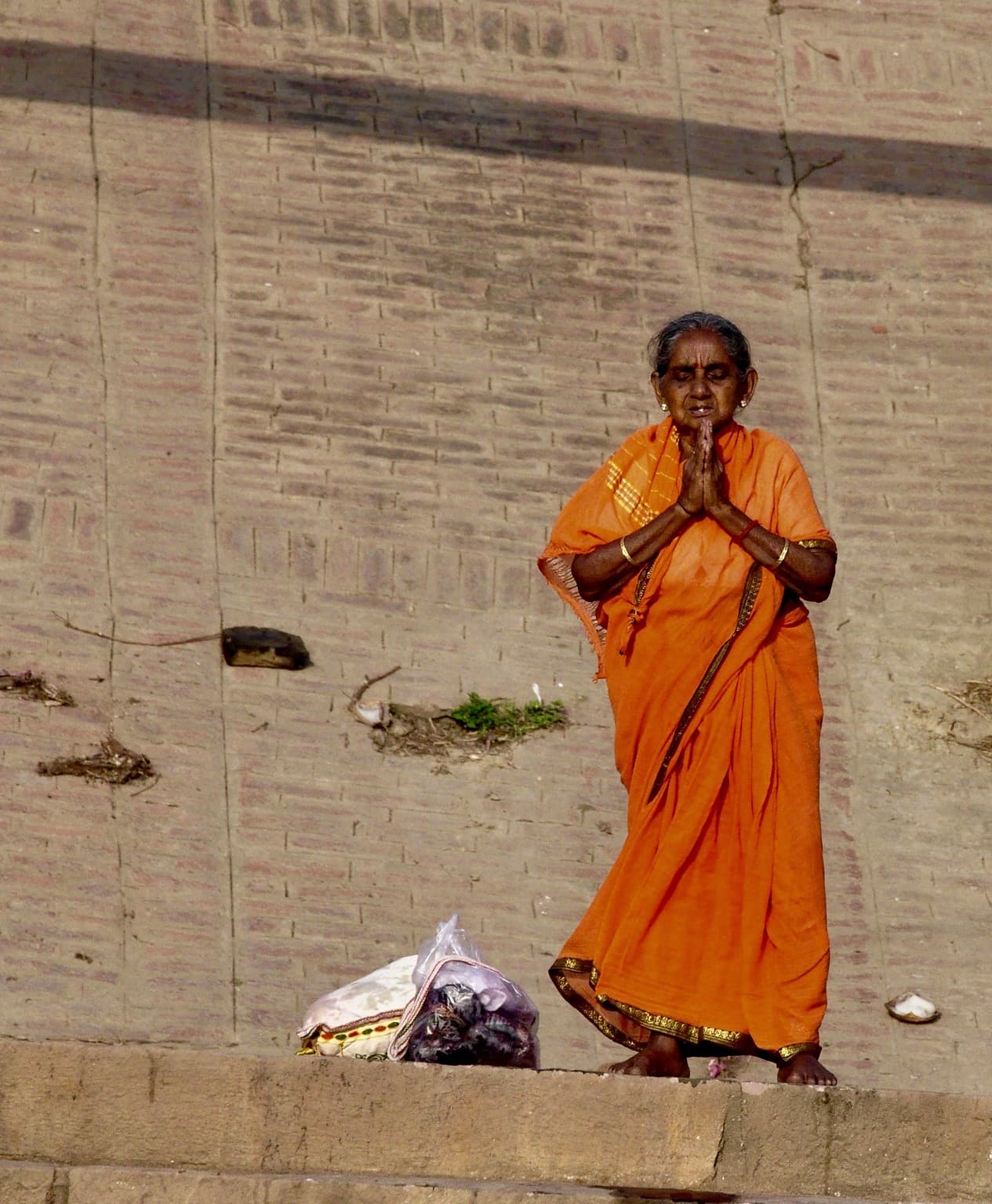
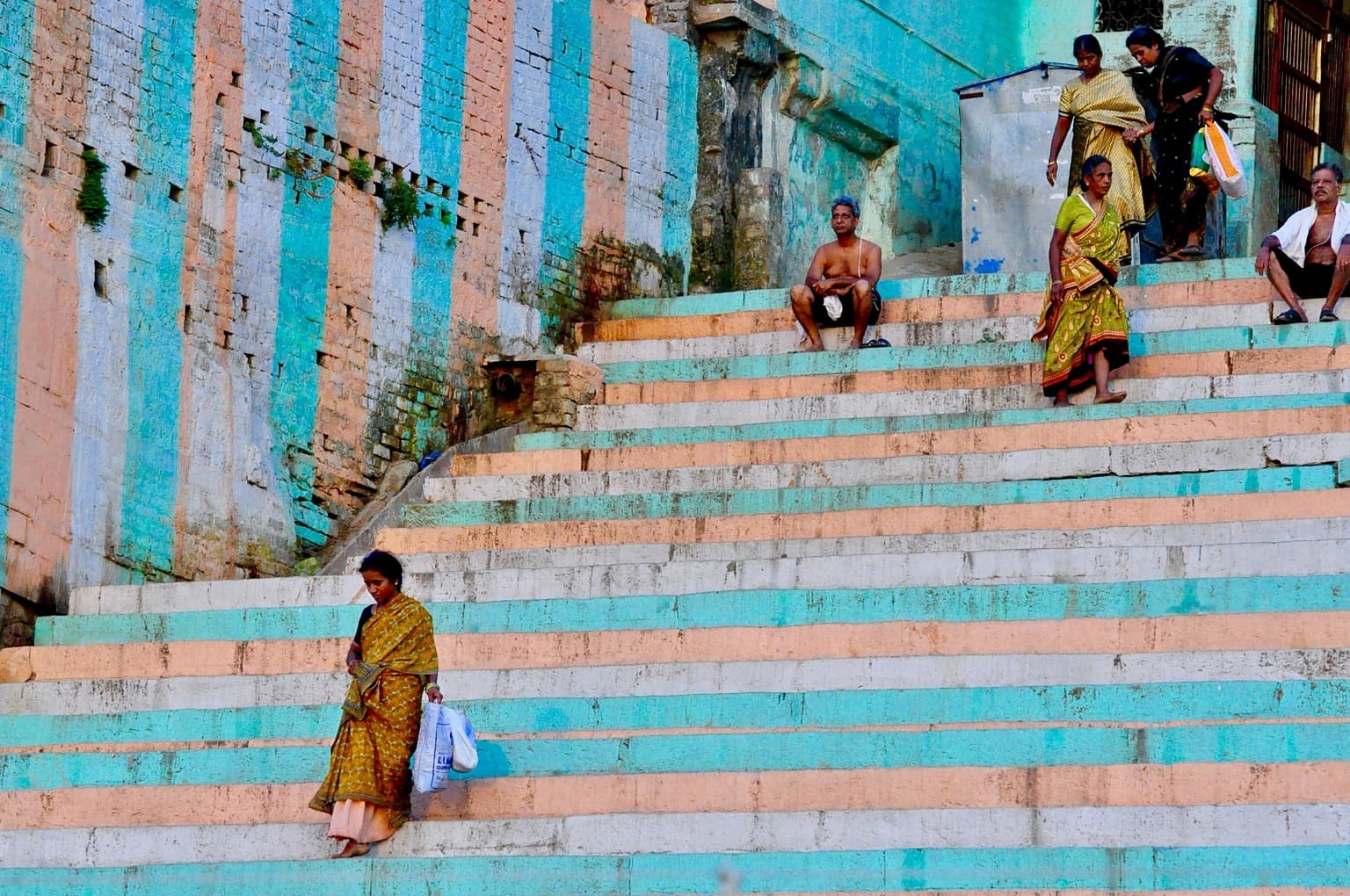
Human vision is continuous and mobile; a photograph is bounded. Framing can place one saturated colour against a relatively neutral background and make that relationship more dominant than it felt while walking through the scene. This is one reason a sari, painted wall or flower garland can appear exceptionally vivid in a still image.
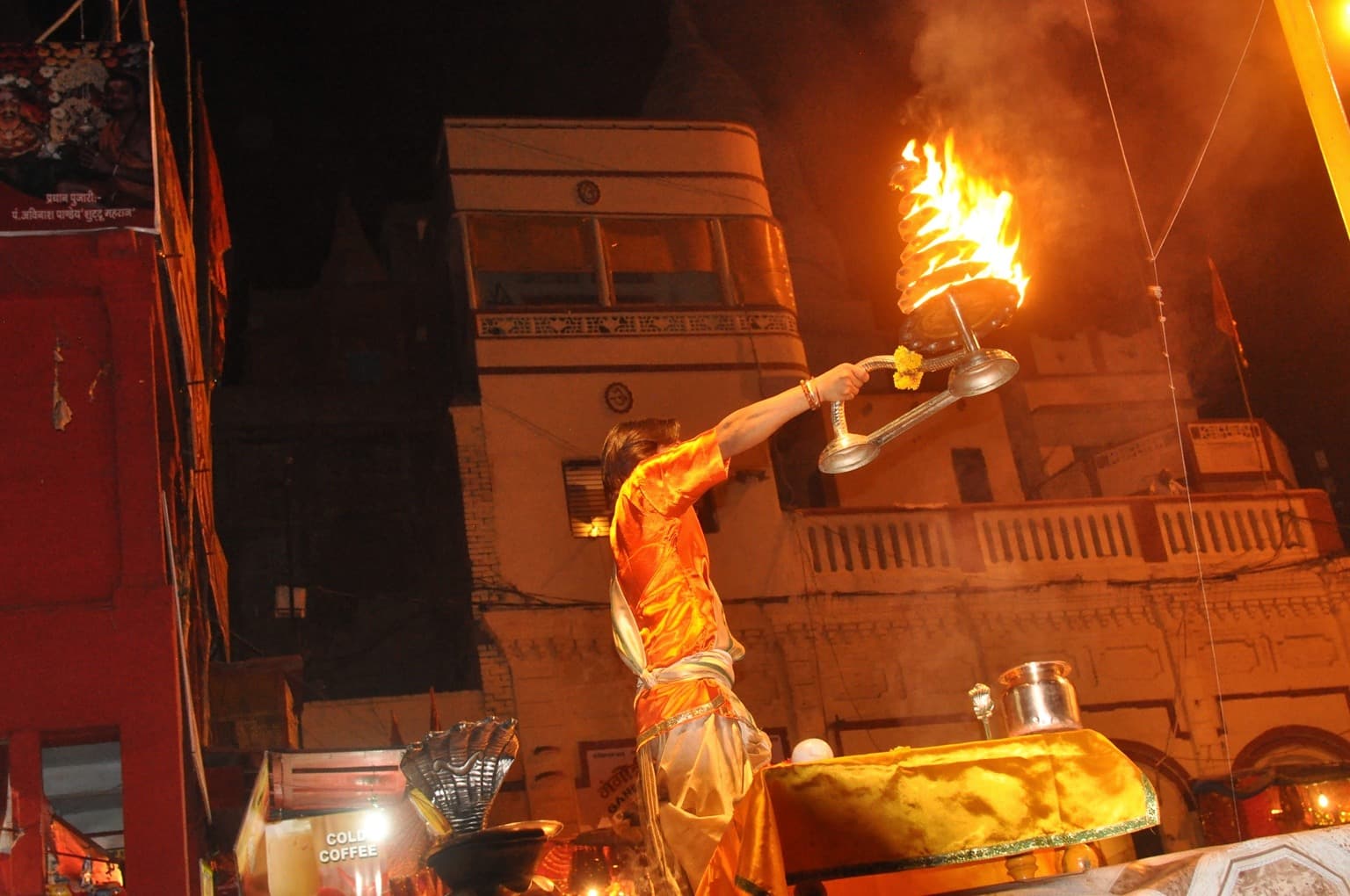
Colour is perceived in relation to surrounding colour and brightness. Orange against grey stone, red against pale river haze, blue beside warm earth tones or flame against night can appear more saturated because of contrast even when the object itself has not changed.
Direct sunlight, open shade, dust, haze, dawn and artificial night lighting all change how colour is recorded. Strong tropical or subtropical light does not automatically make every colour richer; it can also bleach highlights or deepen shadows. Exposure choices determine which effect the photograph preserves.
Digital cameras apply colour profiles and white-balance decisions, JPEG processing can alter saturation and contrast, and phones or computer displays vary in brightness and gamut. Post-processing can intensify or restrain these effects. Documentary practice therefore requires colour adjustments to remain controlled and subordinate to the scene.
Everyday Lives treats the visible colour of the photograph as part of the documentary record while recognising that every image is also a photographic rendering. Adjustments may improve tonal separation, contrast or colour balance, but the purpose is not to manufacture a more “exotic” India than the camera recorded.
These sources support the historical and cultural context of this article. They are provided so interested readers, students and researchers can continue beyond the introductory text.
Related documentary material
Return to experience
Explore the Knowledge Centre →Read documentary stories →Continue discovering →