Devotion at the river
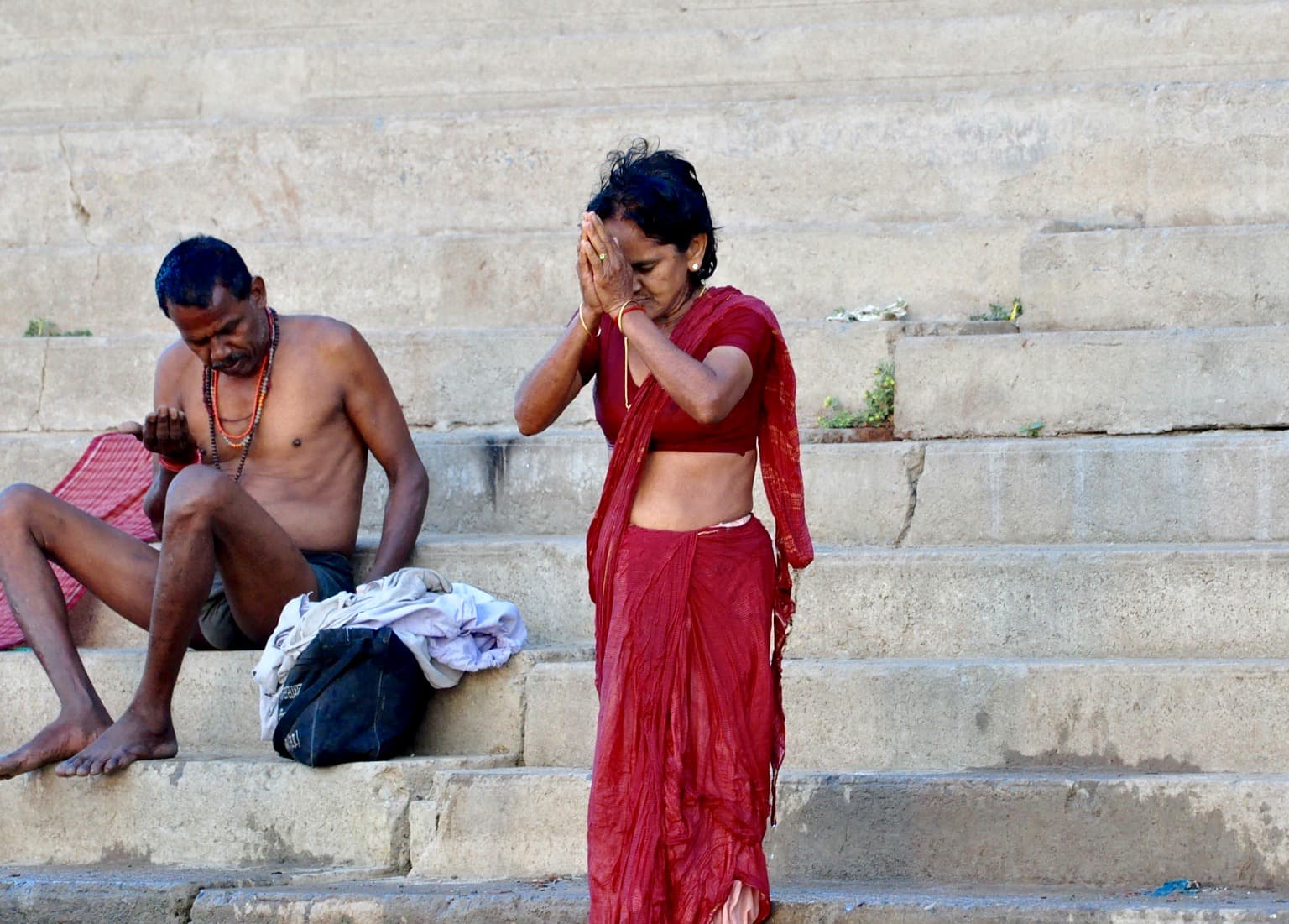
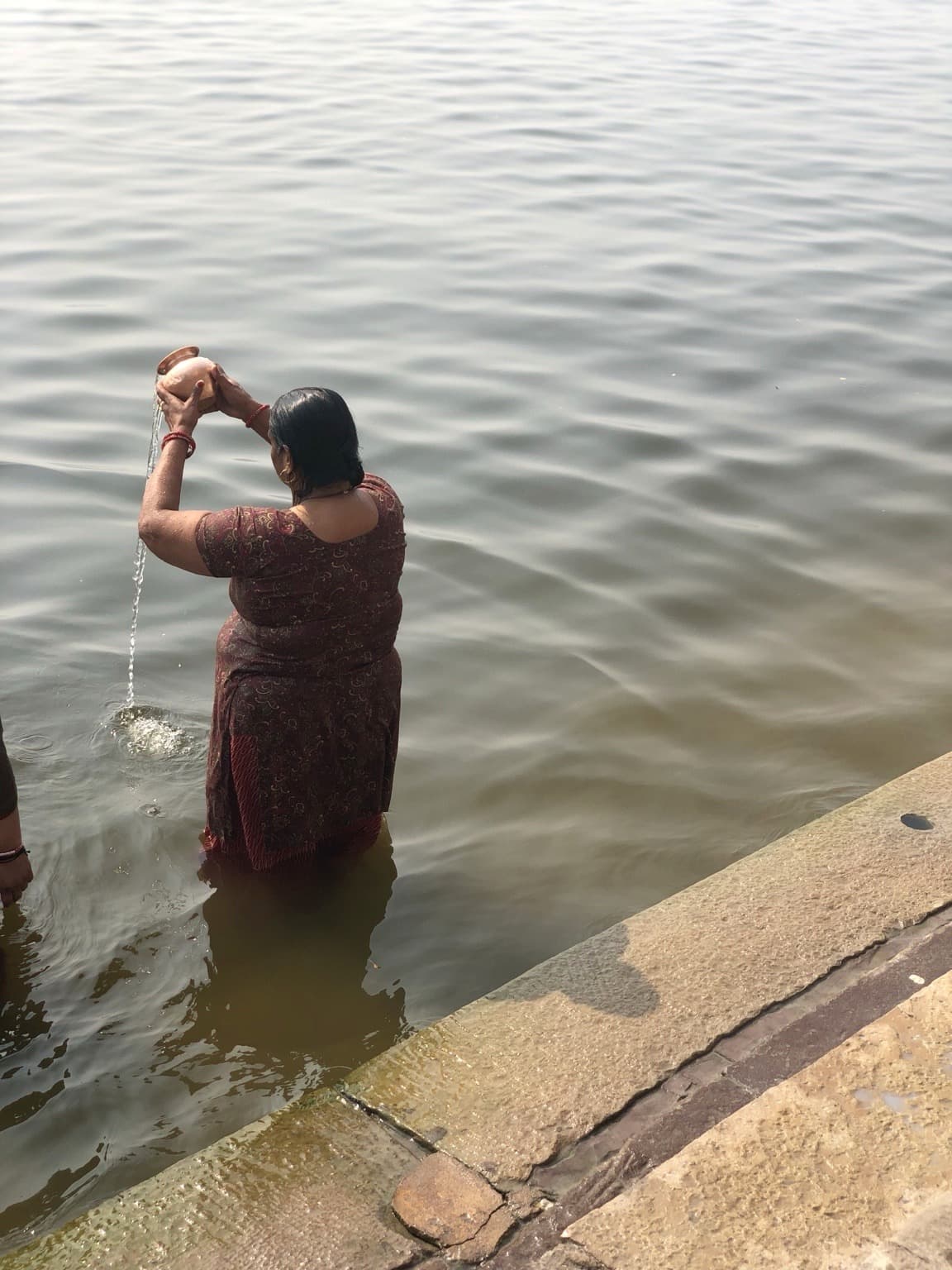
These are related documentary observations made five years apart. They are not the same person, the same moment or an exact repeated camera position.
Everyday Lives Documentary Archives
Photography and text are prioritized. Interactive geographic context loads only when needed.
Varanasi · Archive layers
Archive layers are optional. They let a visitor move from the immediate photographic experience into chronology, recollection, sound, sequence, geography, terminology, method and research without forcing every visitor through the same amount of information.
Then and Again · 2014 / 2019
These pairings look for continuity and change without pretending that different people, moments or viewpoints are literal before-and-after records.
These are related documentary observations made five years apart. They are not the same person, the same moment or an exact repeated camera position.
The pairing shows a recurring form of everyday activity rather than a literal before-and-after comparison.
Contact sheets & sequences
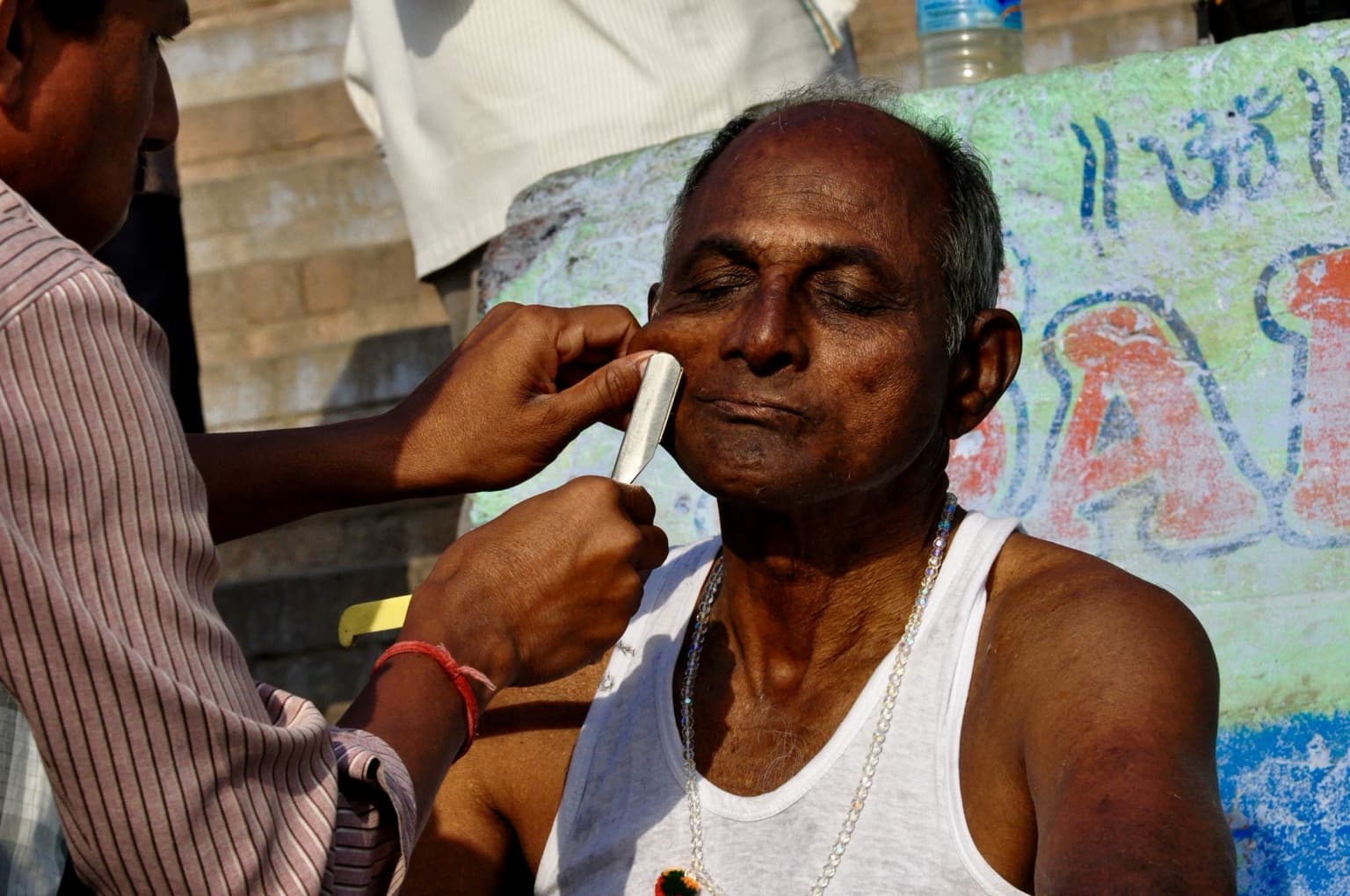
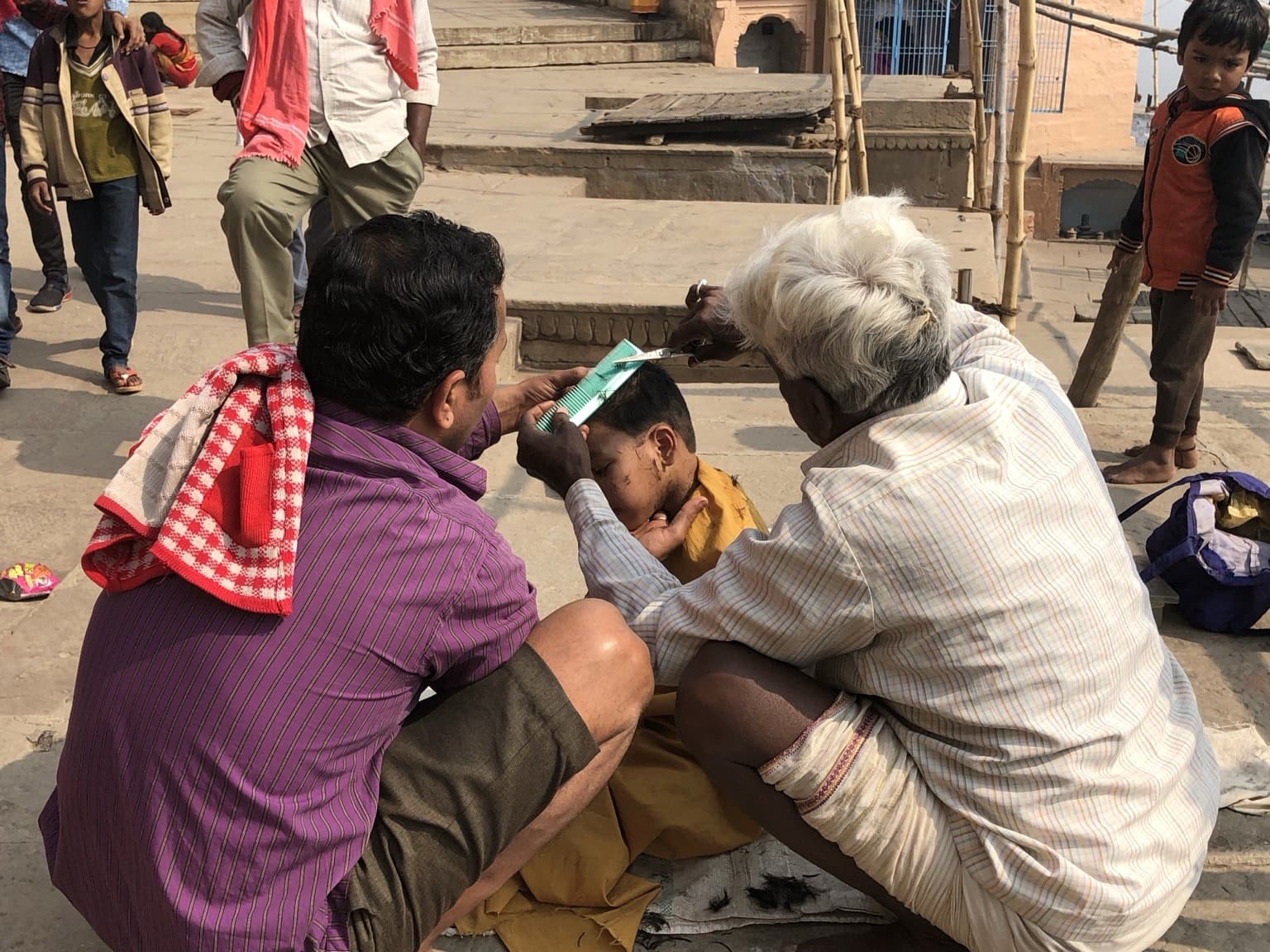
Adjacent photographs can reveal how documentary attention develops over time. We publish a sequence only when the relationship among the frames is verified.
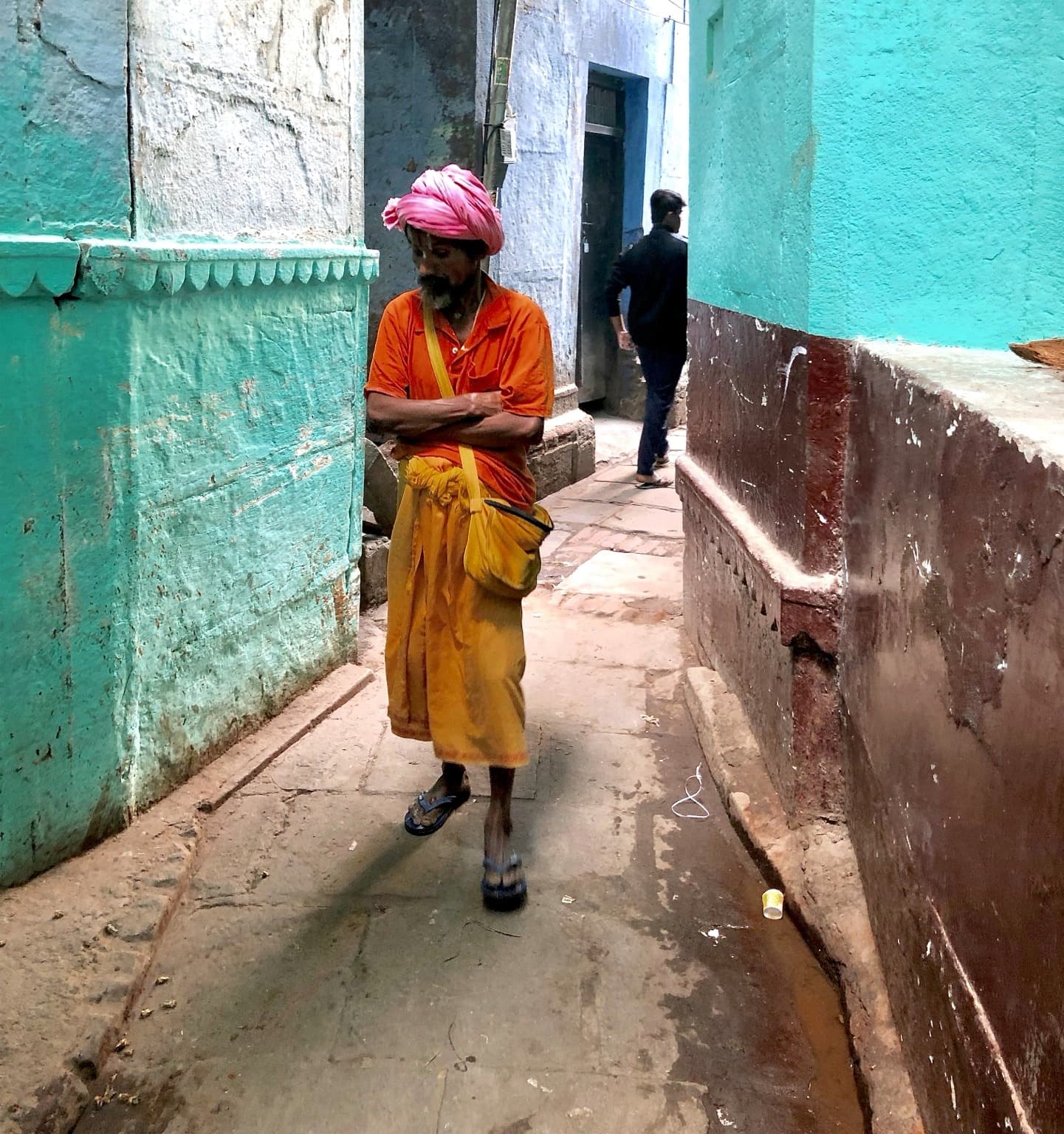
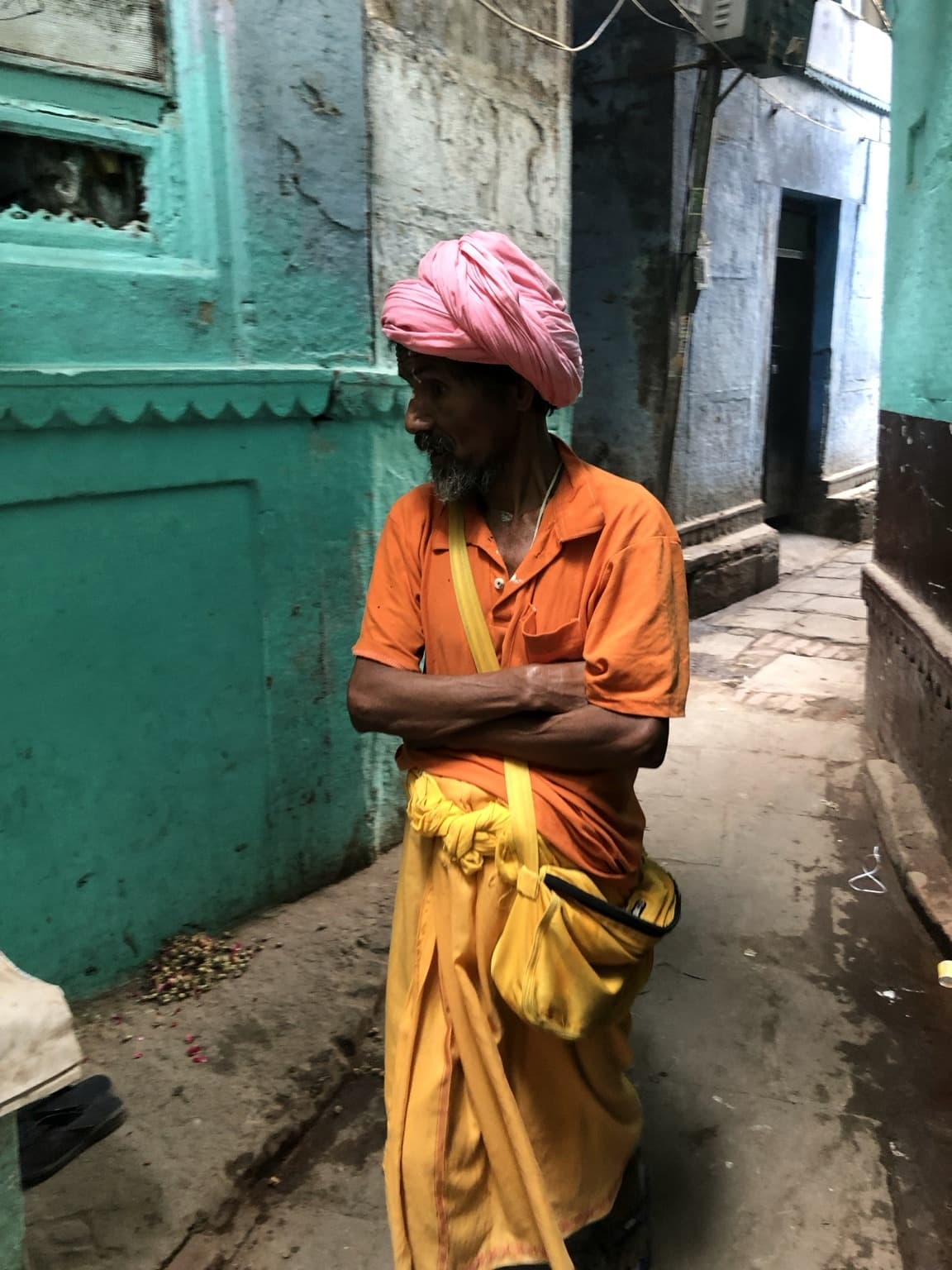
Two selected frames from the same lane encounter. A fuller contact-sheet presentation should be published only when the complete adjacent sequence has been verified and prepared.
Source-gated documentary layers
Two layers are deliberately waiting for source material rather than being filled with reconstructed content.
Selected photographs may eventually carry a short first-person recollection in Brian Silver's own voice. The account must come from his actual memory or contemporaneous notes, be tied to verified catalogue numbers and be approved before publication. No dialogue, motive or emotion will be invented to make a stronger story.
Original ambient sound can accompany selected photographs or sequences when its source is verified. Field recordings will be labelled separately from composed or licensed music so visitors can always tell what was recorded in the place from what was later created for the website.
Behind the photograph
Permanent photograph records already carry the deeper archival layer: catalogue identity, caption, place and year, technical information, evidence status, subjects, provenance, image-preparation disclosure, related records, citation and research access. This information remains optional so it does not interrupt the photographic journey.
Glossary in context
Short definitions answer an immediate question. Full Learn articles remain available when a visitor wants to go further.
A set of steps or riverfront landing places descending toward water; in Varanasi, ghats can be associated with bathing, ritual, work, cremation, temples, palaces and ordinary public life.
A devotional ritual in which light is offered, often with lamps accompanied by prayer, gesture, bells, music or chanting. Practice varies by place and tradition.
A broad term for acts of Hindu worship or devotional offering, performed in homes, temples and other sacred settings in many different forms.
In many Hindu traditions, the devotional act or experience of seeing and being seen by a deity or sacred presence.
A religious renunciant or ascetic. Sadhus belong to diverse traditions and should not be treated as a single uniform group.
Liberation from the cycle of rebirth in several Indian religious and philosophical traditions; meanings and interpretations vary.
A melodic framework in Indian classical music that shapes how notes, characteristic phrases and mood are developed; it is more than a Western-style scale.
A recurring rhythmic framework in Indian music, organized through cycles and patterns of beats.
Where this photograph sits
Geography becomes more precise only when the archive supports it. A city, ghat or landmark may be identified; an exact camera position is never invented. Use the Varanasi map and permanent records to move between place and photograph.
Curated pathways
The authored Journey remains intact, but visitors can also travel laterally through the archive by subject.
Portraits, encounters and human presence across the archive.
Childhood, play, family life and young people across the documentary record.
Ritual, devotion and sacred space, with context available when needed.
Labour, care, commerce, movement and ordinary routines.
Follow the Ganga as sacred geography, workplace and public horizon.
Textiles, ritual, architecture, flowers, regional traditions and photographic perception.
Ghats, lanes, shrines, courtyards and inhabited built space.
Classical, devotional, folk and popular traditions, with Varanasi as one musical centre.
For teachers & students
These questions are designed to slow interpretation down and make the difference between observation, inference, recollection and historical research visible.
Identification & oral history
People who recognize a person, place, building, practice or event can contribute privately. Information is reviewed and its provenance retained; a submission never changes a public caption automatically.
Contribute to the archive →Return to the photographs
The archive can reward close study without requiring it. Return to Varanasi and continue at the pace of the photographs.
Return to Varanasi →